XII English STBB - Poem # 1 - IF By Rudyard Kipling
- Kiran Syed

- Nov 16, 2025
- 5 min read
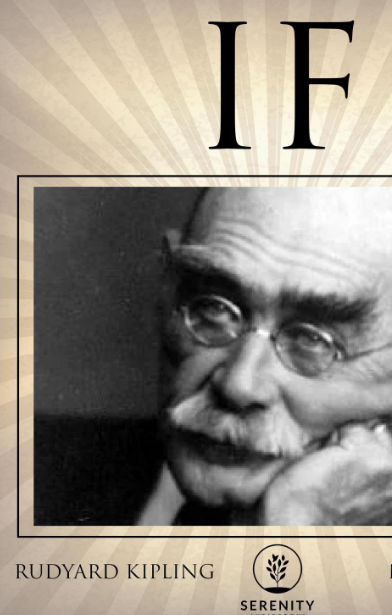
Exercise: Multiple Choice Questions – If by Rudyard Kipling
1. Which quality does the poet suggest is most important for dealing with adversity?
A) Intelligence
B) Strength
C) Patience
D) Resilience
2. What does Kipling mean by line no.12 "and treat those two impostors just the same;" in reference to Triumph and Disaster?
A) Both are equally significant
B) Both are temporary
C) Both lead to success
D) Both are to be proud of
3. What is suggested in line no.18 by "And risk it on one turn of pitch-and-toss"?
A) Recklessness leads to ruin
B) Life is about taking chances
C) Risks should be avoided
D) Winning is essential to happiness
4. The "heart and nerve and sinew" in line no. 21 most likely implies
A) Emotional fragility
B) Physical strength alone
C) The conscious endurance
D) The body's natural limitations
5. The poem's message about self-control and perseverance applies to personal growth as it
A) Limits personal freedom
B) Suggests emotional responses as weakness
C) Encourages steady improvement
D) Discourages seeking advice from others
6. The "unforgiving minute" in line no.29 symbolizes
A) The rapid passage of time
B) A moment of opportunity
C) Time's cruel nature
D) Moments of regret
7. One of the following is the central theme of the poem
A) The importance of winning at all costs
B) The power of self-control and balanced life
C) The significance of wealth and status
D) The inevitability of failure
8. What internal conflict is the poem encouraging individuals to overcome?
A) Doubt versus confidence
B) Failure versus pride
C) Emotions versus logic
D) Personal versus social responsibility
Exercise: Written Questions – If by Rudyard Kipling
1. What qualities does the poet suggest are necessary to remain composed when others around you are panicking or blaming you?
Kipling emphasizes the importance of self-confidence, patience, and resilience. He suggests that even when everyone doubts or blames you, maintaining a calm mind and trusting yourself is essential. The poem teaches that one should acknowledge others’ doubts without being influenced by them, showing emotional balance and inner strength. By keeping composure during chaos, a person can make thoughtful decisions and act wisely rather than impulsively, which is a cornerstone of personal maturity and success.
•
2. How should one treat Triumph and Disaster according to the poem, and what does this reveal about Kipling's philosophy of life?
The poet advises treating both Triumph and Disaster as impostors, meaning neither should overly excite nor discourage you. Triumph can lead to arrogance, while Disaster can bring despair. Kipling’s philosophy emphasizes equanimity, suggesting that life is full of unpredictable highs and lows, and success depends on how calmly one navigates both. By remaining balanced, a person develops resilience and perspective, avoiding the emotional extremes that can disrupt judgment and long-term growth.
•
3. What does the line "And risk it on one turn of pitch-and-toss" signify about taking chances in life?
This line represents the necessity of taking calculated risks. Kipling encourages risking everything for a worthy goal, even if failure is possible. It highlights that personal growth, achievement, and progress often require courage to face uncertainty. The poem emphasizes that losing is not the end, and one must be willing to start over with determination and integrity. This teaches the importance of persistence, boldness, and learning from setbacks as essential components of success.
•
4. Explain the significance of "heart and nerve and sinew" in the poem.
"Heart and nerve and sinew" symbolize a combination of emotional, mental, and physical strength. Kipling suggests that one must continue to act with determination even after fatigue or discouragement sets in. The line underscores the power of will and perseverance, showing that the human spirit can endure hardship when motivated by purpose. This teaches readers that success and personal growth require persistence, not just talent or physical ability, and that inner strength is crucial when external resources are exhausted.
•
5. How does Kipling portray the value of time through "the unforgiving minute"?
The phrase "the unforgiving minute" symbolizes the limited and precious nature of time. Kipling urges filling every moment with meaningful effort, equivalent to running a full sixty seconds’ worth of a race. This teaches that time waits for no one, and consistent, focused action is necessary to achieve goals. The poem emphasizes the importance of making the most of each moment, suggesting that discipline, diligence, and purposeful use of time define a person’s achievements and character.
•
6. How does the poem define true manhood or maturity by the end?
Kipling concludes that a person who masters self-control, perseverance, resilience, and balanced judgment earns the right to be called a man. True maturity is measured not by wealth, status, or recognition, but by the ability to remain composed, take responsibility, act ethically, and persist in the face of adversity. The poem suggests that a life of discipline, integrity, and thoughtful action leads to personal fulfillment and lasting respect, showing that character is more important than external achievements.
•
7. How can the lessons from If be applied to modern personal growth and challenges?
The poem’s advice is timeless, emphasizing qualities like emotional resilience, patience, balanced judgment, and perseverance. In modern life, where pressures, competition, and uncertainty are constant, following Kipling’s guidance helps individuals maintain focus and composure. By treating success and failure equally, taking risks thoughtfully, using time wisely, and cultivating inner strength, one can navigate personal and professional challenges effectively. The poem encourages developing character, responsibility, and a steady mindset to achieve meaningful growth and long-term satisfaction.
•
8. What internal conflicts does the poem encourage readers to overcome, and why are they important?
The poem highlights the struggle between doubt and confidence, fear and courage, and emotional impulses versus rational thought. Kipling encourages readers to maintain composure despite these internal conflicts because overcoming them builds resilience and self-mastery. Managing these tensions is important for making sound decisions, growing as a person, and achieving long-term goals. By mastering internal struggles, one gains the strength to face external challenges effectively, demonstrating that personal growth is as much about inner development as it is about external success.
•
Exercise 03: Vocabulary – If by Rudyard Kipling
1. Allowance
Contextual Meaning: A consideration or tolerance for someone’s doubts or mistakes
Sentence: He gave his friend an allowance for being late because he knew the traffic was bad.
2. Deal in
Contextual Meaning: To engage in or participate in something, often undesirable
Sentence: The politician promised not to deal in lies or corruption.
3. Impostors
Contextual Meaning: False appearances or things that deceive
Sentence: Triumph and Disaster are impostors because they can mislead us into overconfidence or despair.
4. Knave
Contextual Meaning: A deceitful or dishonest person
Sentence: He realized the messenger was a knave trying to twist the truth for his own gain.
5. Disaster
Contextual Meaning: A sudden event causing great loss or suffering
Sentence: The shipwreck was a terrible disaster for the sailors.
6. Heap
Contextual Meaning: A large collection or pile of things
Sentence: He gathered a heap of coins and risked it in the game of chance.
7. Nerve
Contextual Meaning: Courage, boldness, or mental strength
Sentence: It took great nerve to speak out against the unfair rules.
8. Will
Contextual Meaning: Determination or mental power to act
Sentence: Her will kept her going even when the task seemed impossible.
9. Virtue
Contextual Meaning: Moral excellence or good quality
Sentence: Honesty is a virtue that everyone should strive to practice.
10. Sinew
Contextual Meaning: Physical or mental strength; energy
Sentence: The athlete’s sinew allowed him to continue running despite fatigue.
•


Comments